maxmilian's Coding Projects
Hi, My name is maxmilian! I began learning robotics with Lego Mindstorms and block-based coding in Primary 3, which sparked my interest in designing robots to automate daily tasks. Robotics taught me to think logically and creatively to solve real-world problems, inspiring me to move beyond blocks and learn Python. With Python, I learned to solve math problems and think step by step. I later explored Pygame to create educational games that make learning fun and competitive for my friends. Through this, I improved my coding skills and learned how technology can make learning enjoyable and bring people together.

Touch activated Ferris Wheel
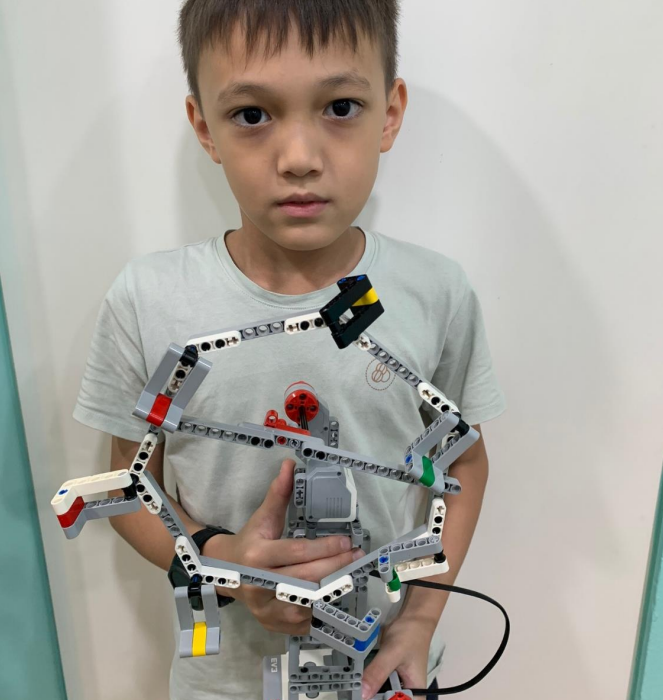
I learnt how to use the LEGO technic parts to create different designs.Using the coding concept of conditionals (if-else), together with different sensors, I coded my designs to do certain actions only if a specific condition is met. Among many other projects, I created a ferris wheel that moves if the touch sensor is activated
Ultrasonic activated Door
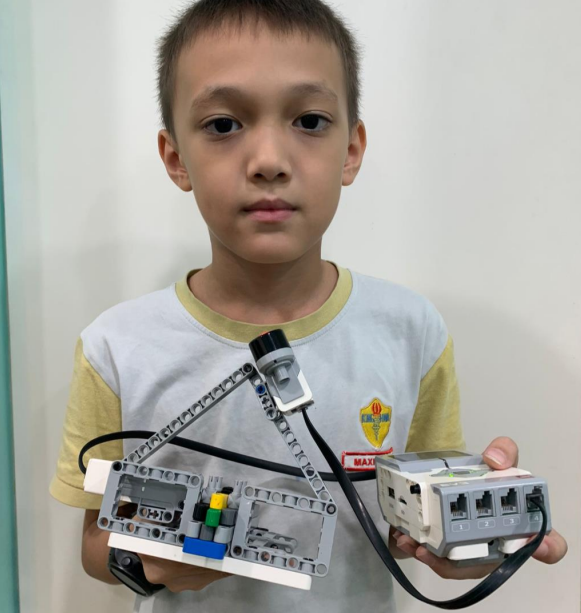
Using an ultrasonic sensor, I re-created the door of the shopping center that opens automatically when a person is standing within the range.
Description:
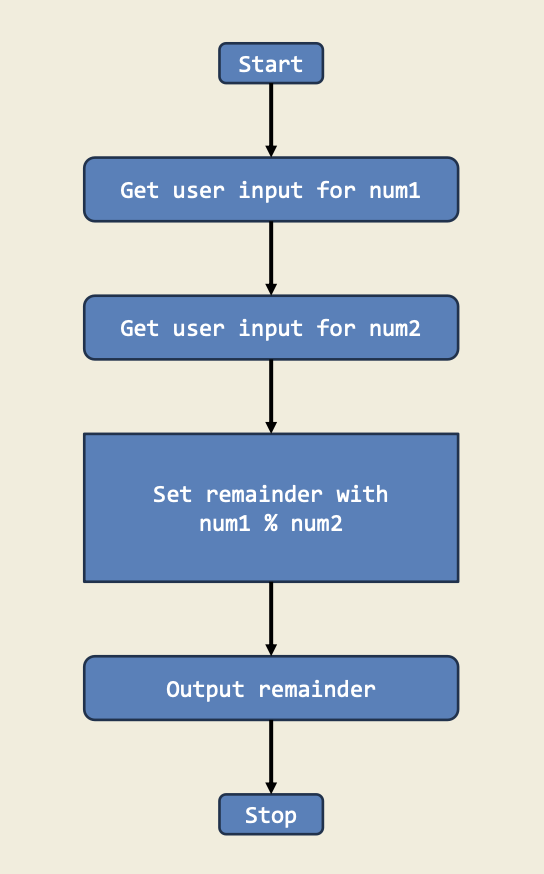
This project shows how to calculate the remainder when one number is divided by another. It’s a great way to practice using arithmetic and the modulo operator (%).
Diagram:
Trinket:
Description:
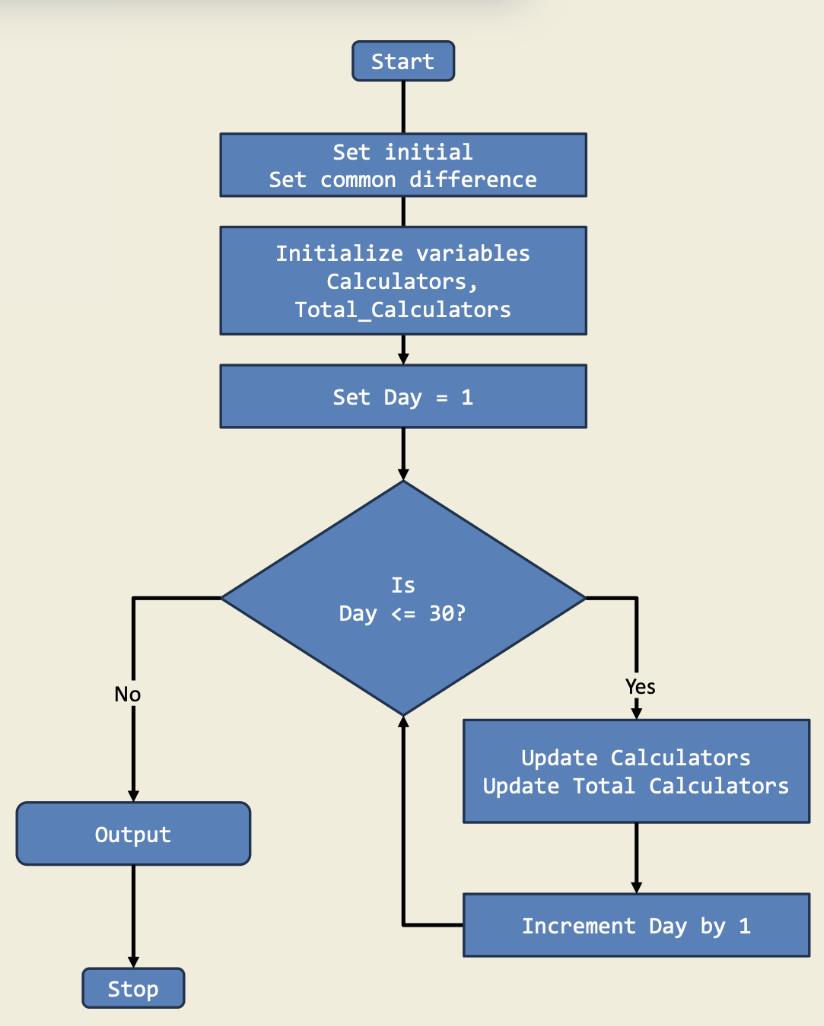
In this project, I tracked the production rate of a calculator factory that follows an arithmetic progression. I calculated the number of calculators produced on day 30 and the total after 30 days. This shows how loops can handle repeated calculations for real-world scenarios.
Diagram:
Trinket:
Description:
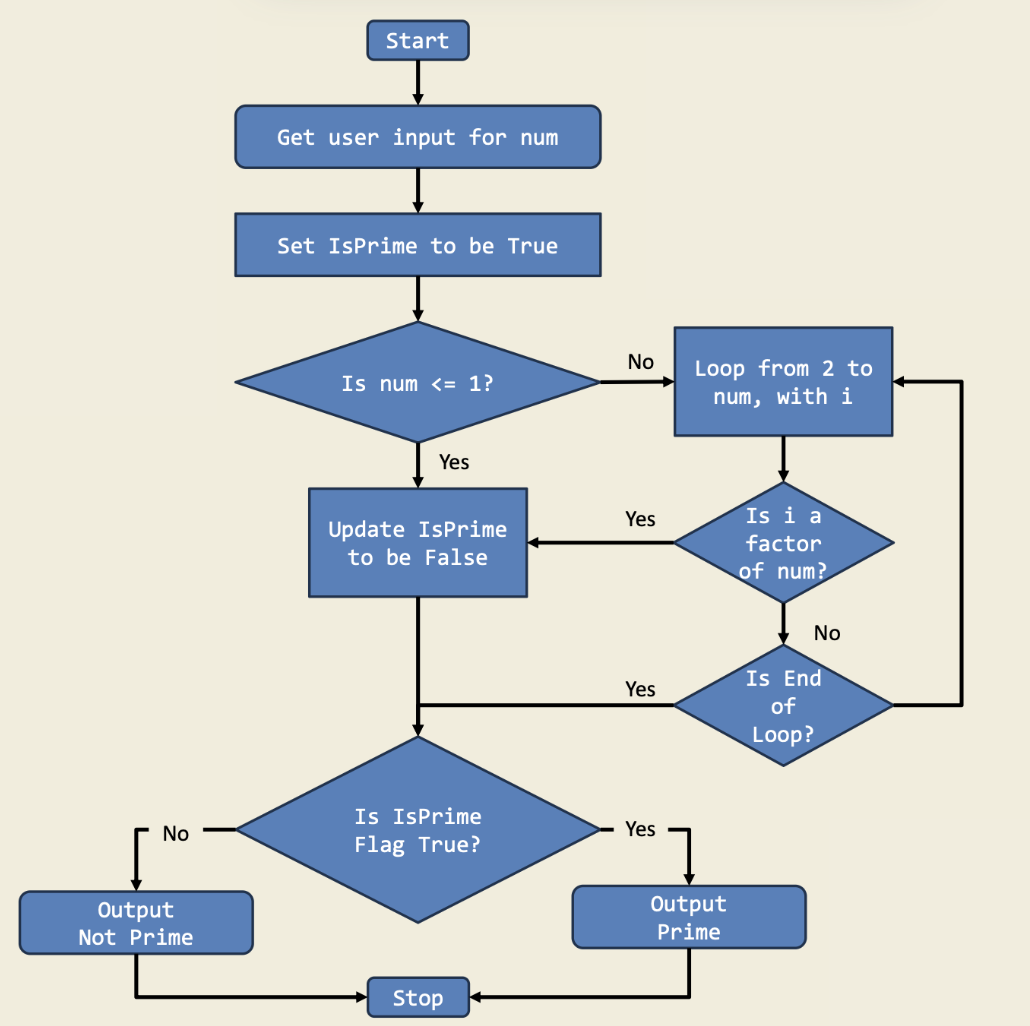
This game challenges you to decide if a number is prime by using if-else statements. It’s a fun way to reinforce the concept of prime numbers and divisibility in code.
Diagram:
Trinket:
Description:
In this project, I created a program that keeps asking for a password until the correct one is entered using a while loop. This project shows how while loops can ensure that an action is repeated until the right condition is reached.
Trinket:
Description:
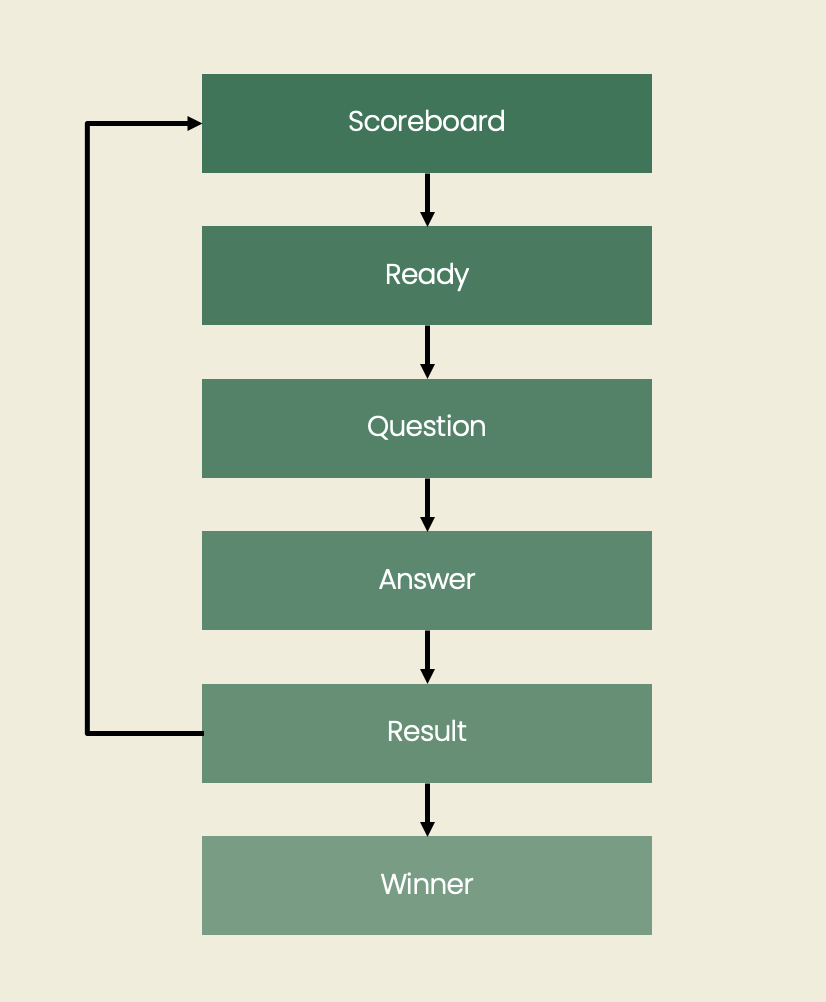
In this project, I created a game called "WhatCountry?" using Pygame. The idea came from my curiosity about the flags of different countries and my love for learning about cultures as a young Singaporean. I wanted to make a game that challenges players to recognize which flag belongs to which country, while also teaching me more about coding and design!
To build this game, I used object-oriented programming (OOP) to organize my code into clear, manageable parts. I created separate classes for the game screen, the flag drawing functions, and even the scoreboard and instructions. It was like building a set of LEGOs—each small block worked on its own, but together they formed a complete and exciting game.
In "WhatCountry?", each turn displays a flag that I draw using simple, solid-color stripes. To make sure even white parts are visible, I outline each flag with a thin black line. I included at least seven different flags, such as those for France, Italy, Germany, Poland, Ukraine, Russia, and Romania. The game then asks a question like, "Is this the flag of France?" If you think the flag is correct, you press Y; if not, you press N. There’s even a timer that adds a bit of excitement, making sure you answer quickly!
Along the way, I learned how to design user interfaces that display important information like scores, turn numbers, and timers. Handling key presses and events taught me how to make the game interactive and responsive. I enjoyed combining coding with creativity, and it was super fun to see my ideas come to life on the screen.
Overall, "WhatCountry?" is not just a quiz about flags—it’s an adventure that takes you around the world and shows you how programming can be both educational and entertaining. I hope you enjoy playing it as much as I enjoyed making it!
Diagram: