Adam Chan's Coding Projects
My name is Adam, and I am 12 years old. I started learning robotics with LEGO Mindstorms and block-based coding in Primary 2, and I enjoy designing robots to automate daily tasks. Robotics sparked my interest in Python, where I began writing code to solve math problems and explore text-based programming. I have documented my journey in robotics, coding, innovation, and STEM.

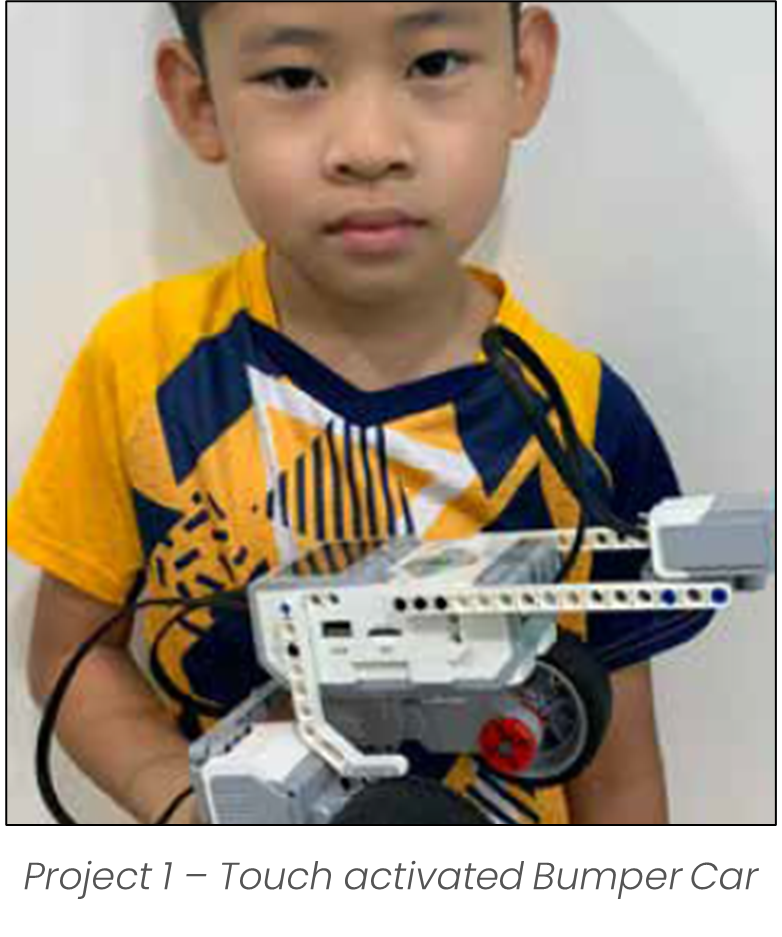
Touch activated Bumper Car
I learnt how to use the LEGO technic parts to create different designs. Using the coding concept of conditionals (if-else), together with different sensors, I coded my designs to do certain actions only if a specific condition is met. Among many other projects, I created a bumper car that reverses if the touch sensor is activated when hitting the wall.
Ultrasonic activated sliding door
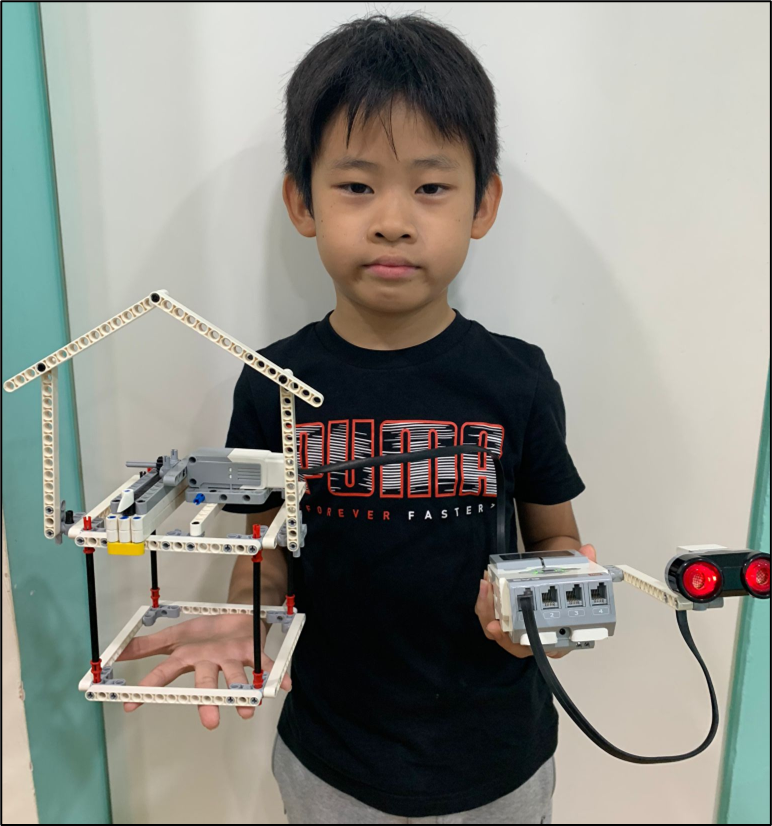
Using an ultrasonic sensor, I created a sliding door that opens and closes once it detects someone in front of it. I determined the threshold value that corresponds to what I determine is too close or still far.
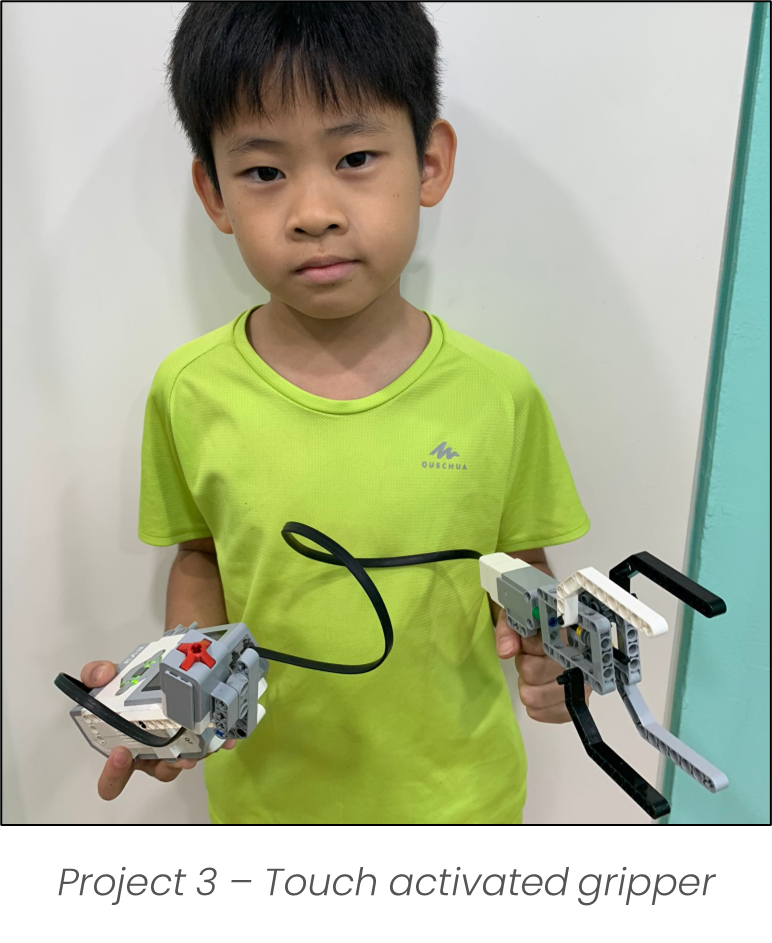
Touch Activated Gripper
Having played at the arcade frequently, I decided to use the concepts and design skills to create a gripper that is activated to open and close only when touch sensor is activated. I could then recreate the arcade game of picking up and releasing anything at home
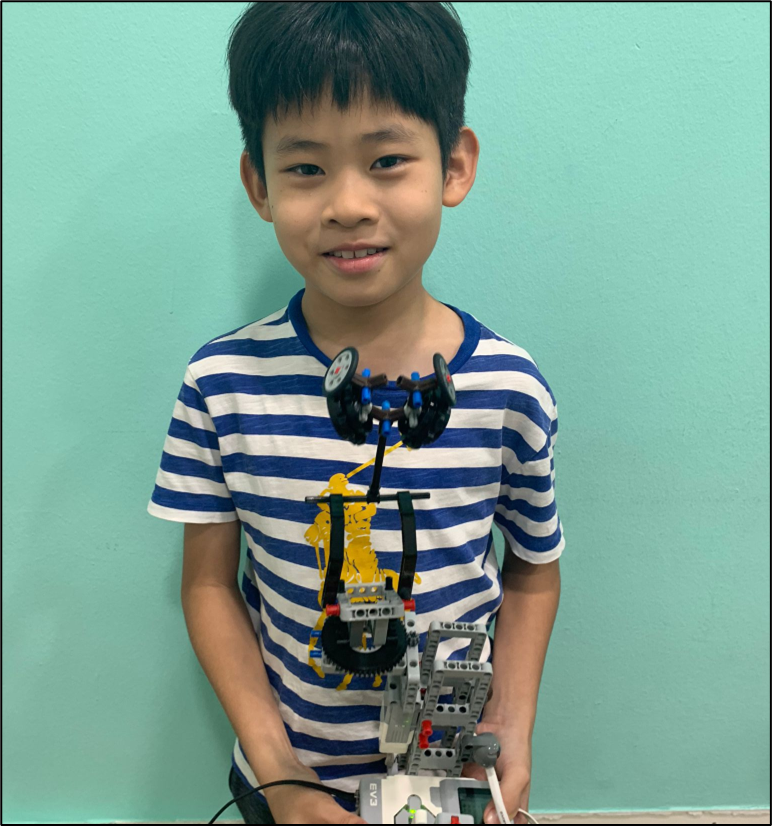
Touch activated pinwheel
My younger siblings loved spinning the pinwheel. I decided to create an automated one that starts moving when the program starts. It will stop when the touch sensor is activated and return to the original position.
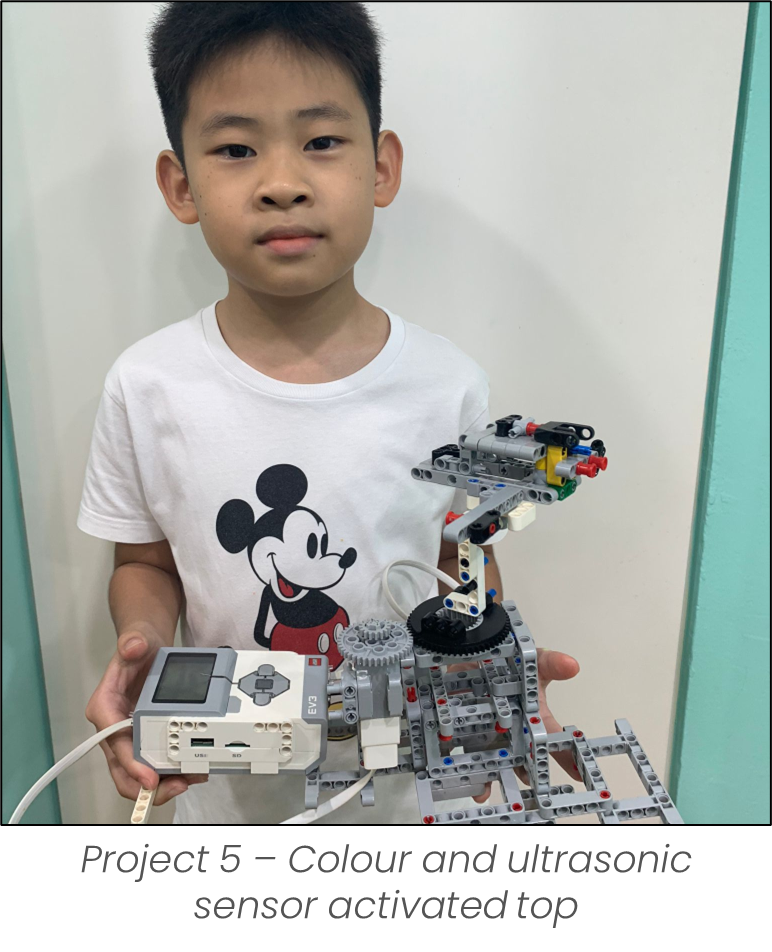
Colour and ultrasonic sensor activated top
My friends and I love playing with tops. I decided to recreate an automated spinning top. I coded it to move when it is activated by a colour sensor. I could control the direction it spins using an ultrasonic sensor. Depending on the distance someone is from the top, it would spin clockwise or anti-clockwise.
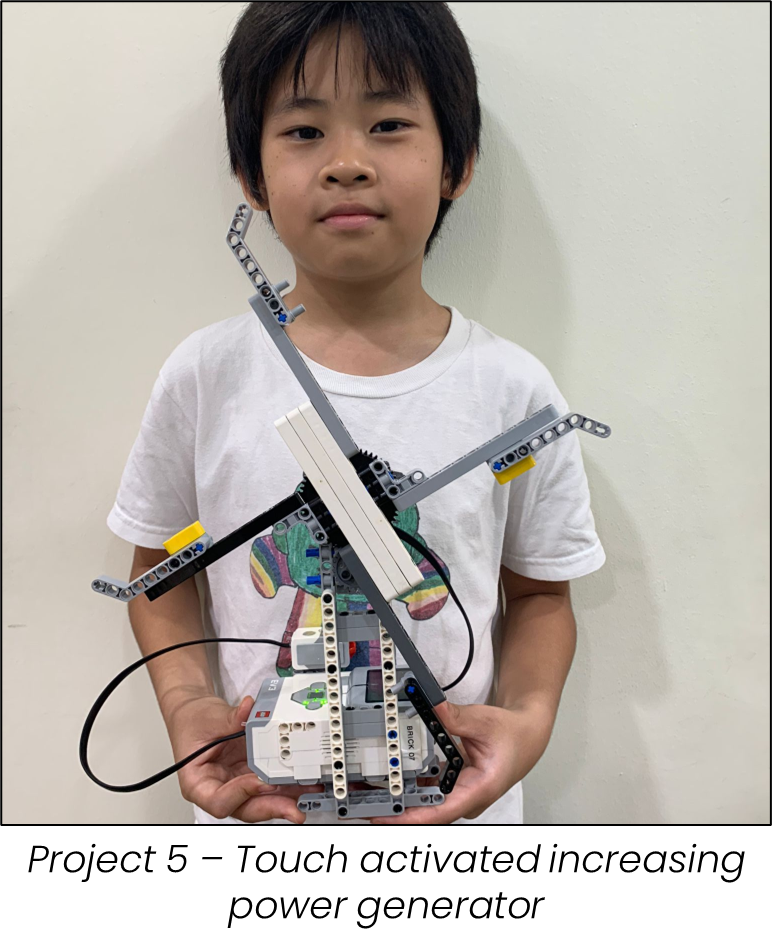
Touch activated increasing power generator
When I was on a holiday, I saw a manually operated power generator where the operator had to manually spin the lever for the generator to increase speed. I decided to recreate an automated one the LEGO technic parts. In my project, using the concept of variables, the generator increases speed each time the touch sensor is activated.
Description:
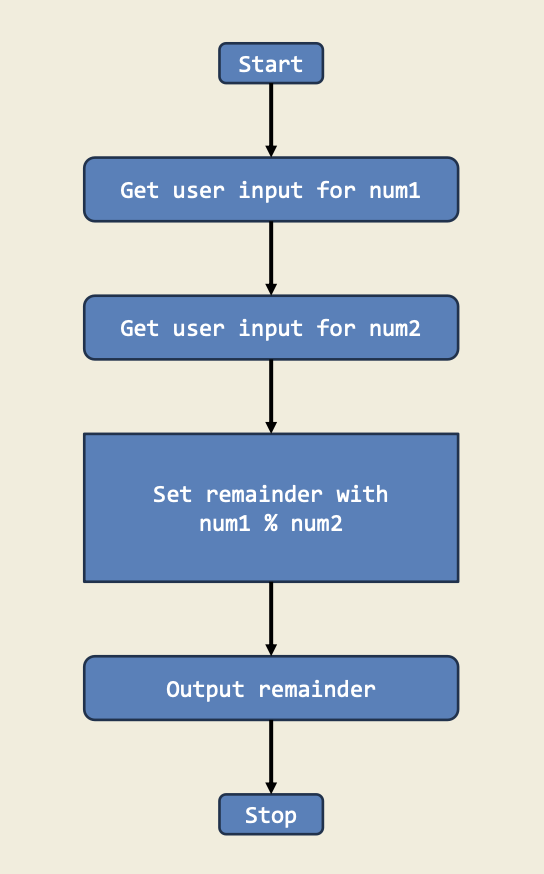
This project shows how to calculate the remainder when one number is divided by another. It’s a great way to practice using arithmetic and the modulo operator (%).
Diagram:
Trinket:
Description:
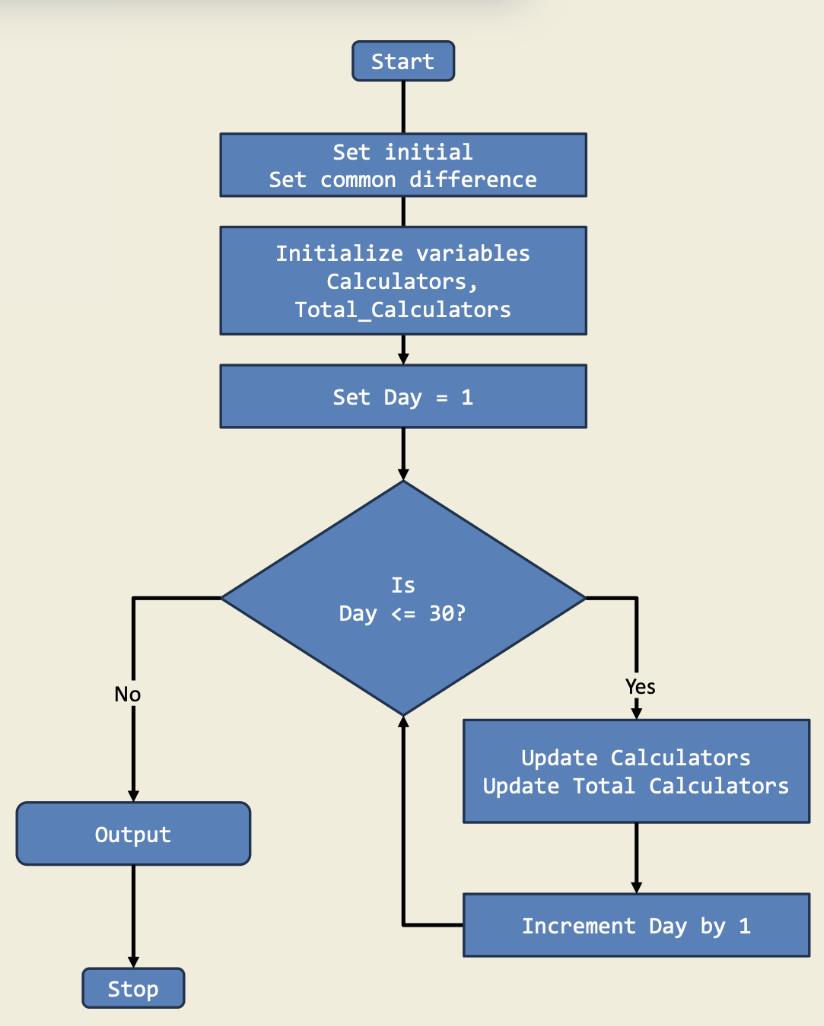
In this project, I tracked the production rate of a calculator factory that follows an arithmetic progression. I calculated the number of calculators produced on day 30 and the total after 30 days. This shows how loops can handle repeated calculations for real-world scenarios.
Diagram: