Ethan Zhang's Coding Projects
Hi I'm Ethan! I'm 12 years old and began learning robotics with LEGO Mindstorms and block-based coding in Primary 2. I enjoy designing and building robots to automate daily tasks. This passion led me to explore text-based coding with Python, which I now use to solve math problems and create educational games using Pygame for my friends to enjoy and learn from.

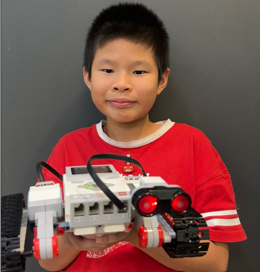
Ultrasonic Activated Tractor
I built a LEGO-based tractor model designed to simulate real-life functionality. It uses an ultrasonic sensor to detect obstacles and automatically stop when objects are within a threshold distance that I configured. This demonstrates the potential advantages of automation and smart technology in modern farming.
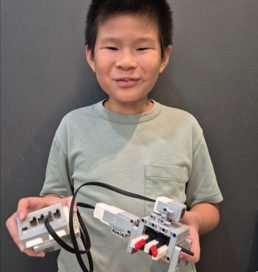
Colour Activated Shooter
Having played at the arcade frequently, I decided to use the concepts of conditional statements, colour detection, and output controls to create a secure and precise shooter that fires a shot when the colour sensor detects two specific colours in the coded order.
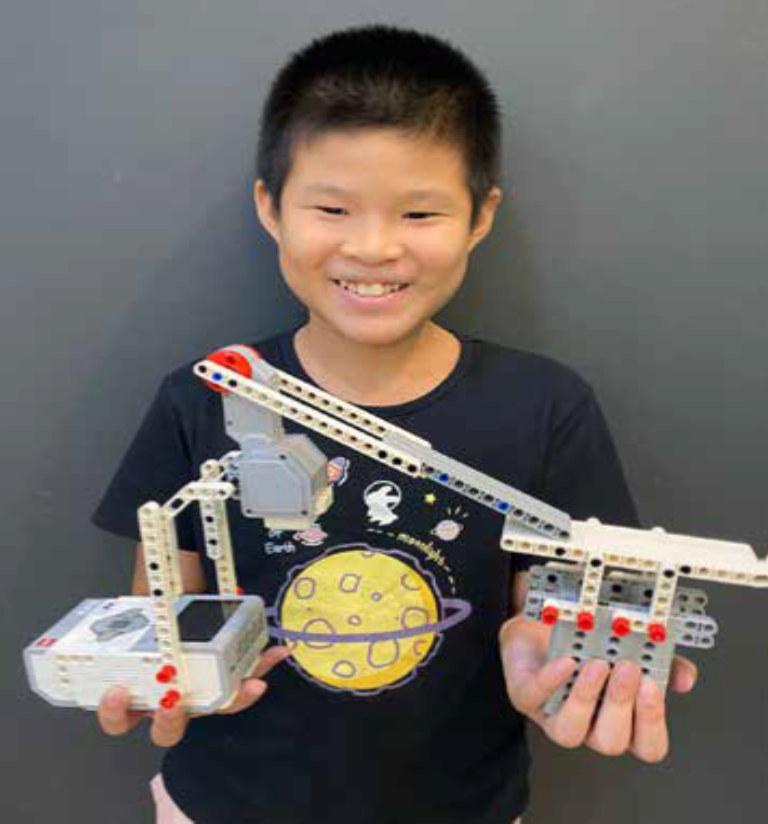
Touch activated catapult
I learnt how to use the LEGO technic parts to create different designs. Using the coding concept of conditionals (if-else), together with different sensors, I coded my designs to do certain actions only if a specific condition is met. Among many other projects, I created a ping pong racket that hits the ball if the touch sensor is activated
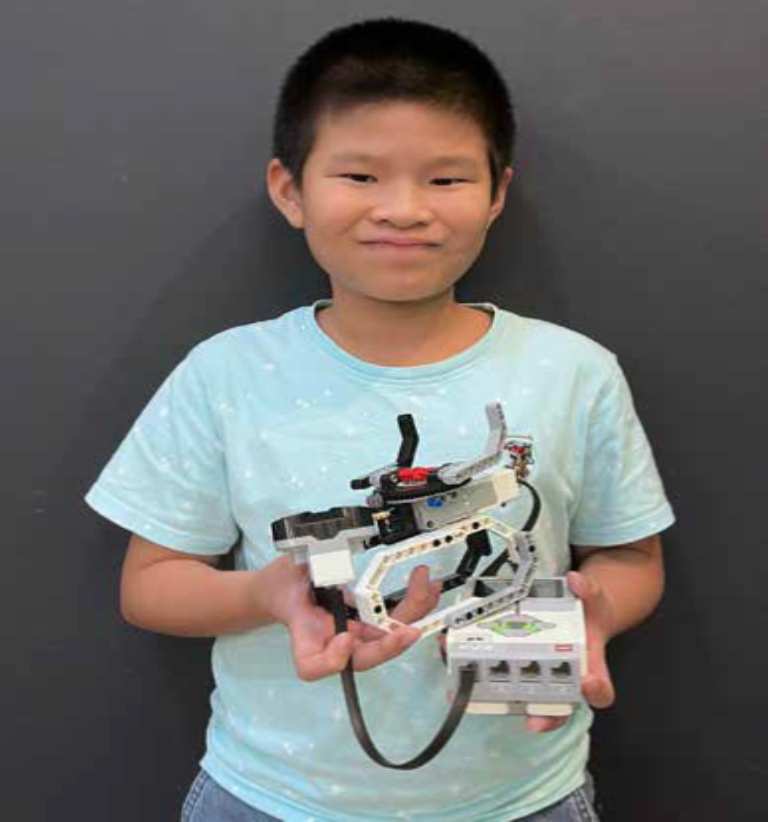
Automated rabbit head
My younger siblings loved playing with their toy rabbit head, which spins when the wind hits it. They used to manually spin and stop it, which was fun but limited. To make it more interactive and engaging, I decided to create an automated version of the toy. In this upgraded version, the rabbit head starts spinning automatically as soon as the program runs. When the ultrasonic sensor detects someone nearby—such as a child approaching—the spinning stops, and the toy returns to its original position.
Colour and ultrasonic sensor activated top
Playing the top is my childhood game and I decided to recreate a sensor-controlled spinning top using LEGO technic parts and coded it to move when it is activated by a colour sensor. The direction it moves is controlled by the reading of the ultrasonic sensor. It is designed to enhance user engagement and ensures consistent gameplay with minimal effort needed for monitoring or control.
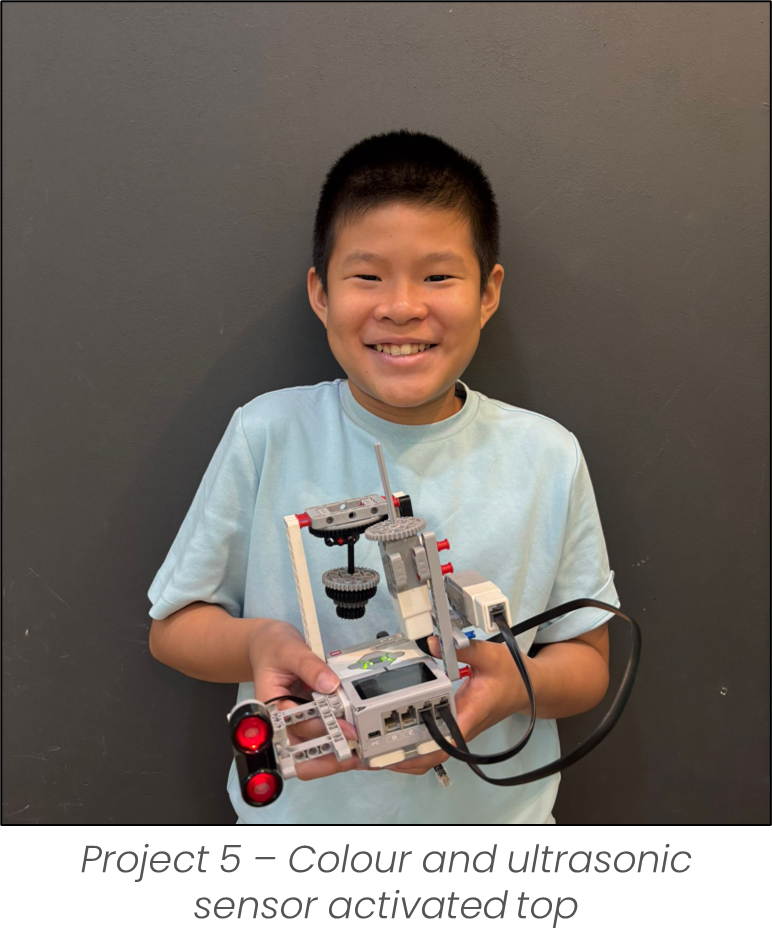
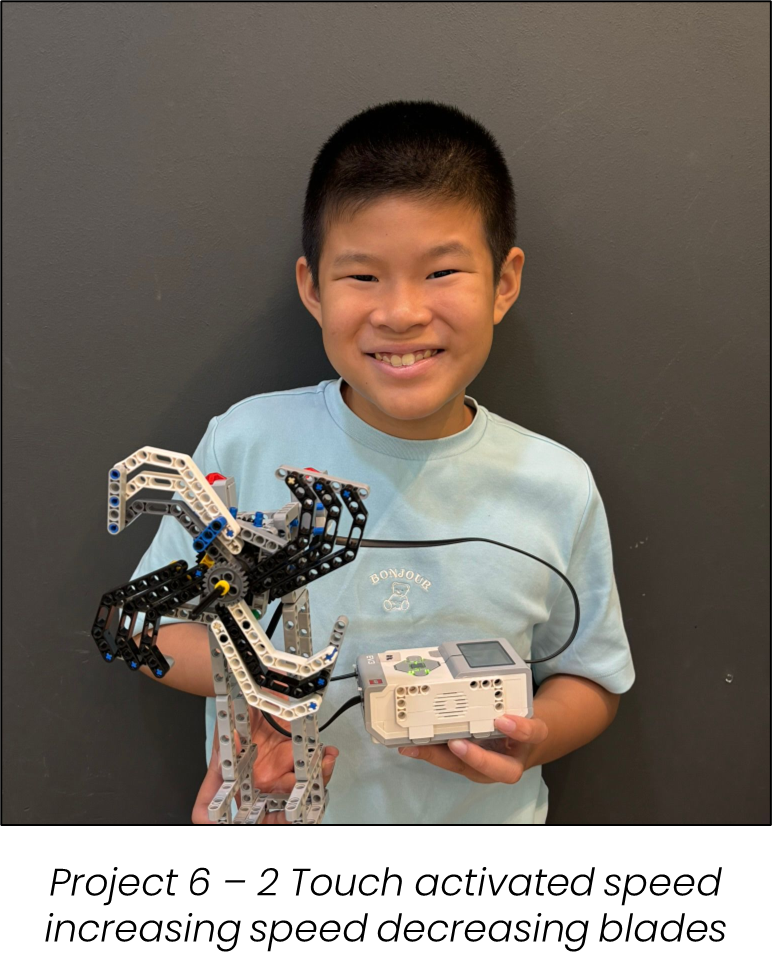
2 Touch activated speed increasing speed decreasing blades
I built a lego model of a blades that is fully automated to replicate how real fan blades would respond to inputs from sensors. Touch sensor 1 is used to increase the rotation speed while the touch sensor 2 slows it down to enhance user experience and safety.
Description:
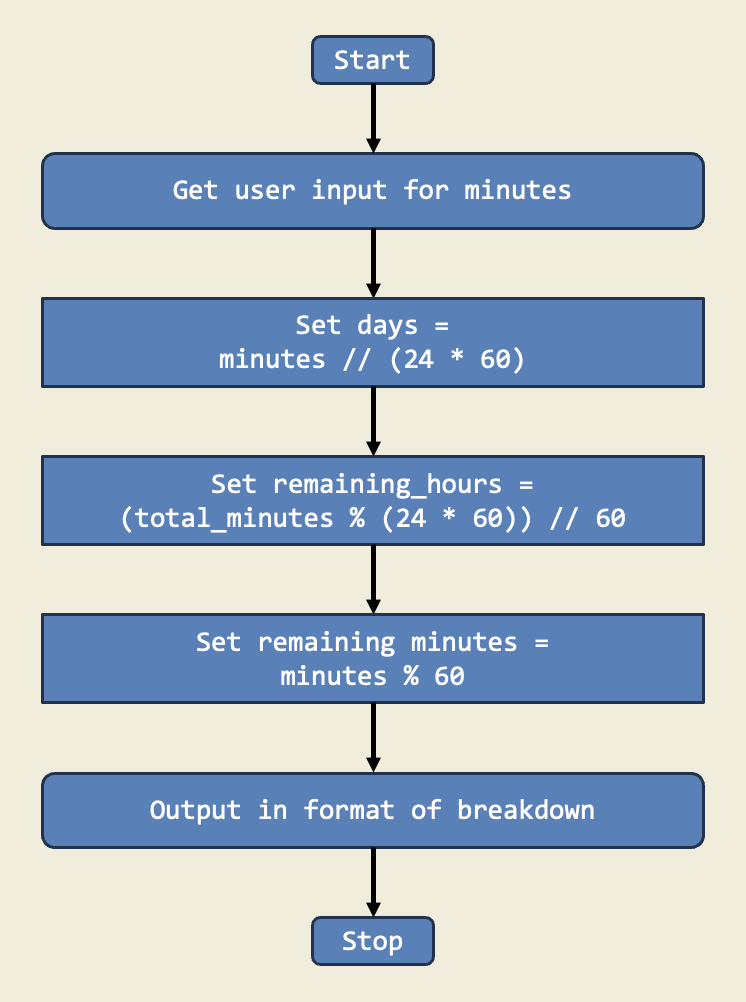
In this project, I used math to change a huge number of minutes into days, hours, and minutes. I used division and remainders to see how many full days there were and what was left over. This is important because it shows how math can help us understand time by breaking it down into parts we can read.
Diagram:
Trinket:
Description:
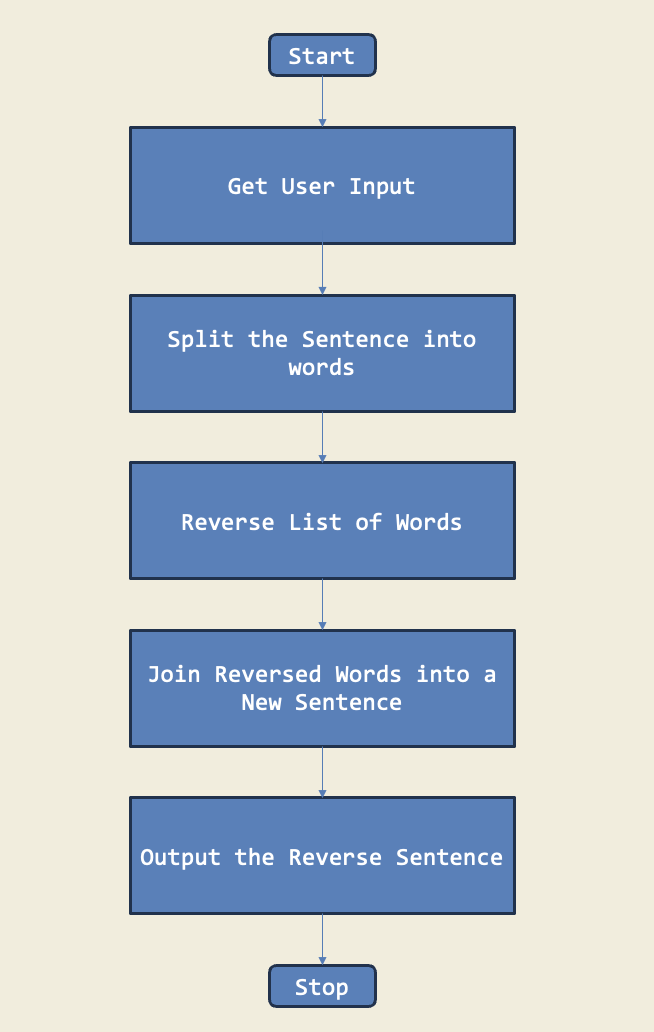
This project takes a sentence as input and reverses the order of the words, demonstrating string manipulation and basic list operations in Python. It's a simple yet effective way to understand how to break down and rebuild text data.
Diagram:
Trinket:
Description:
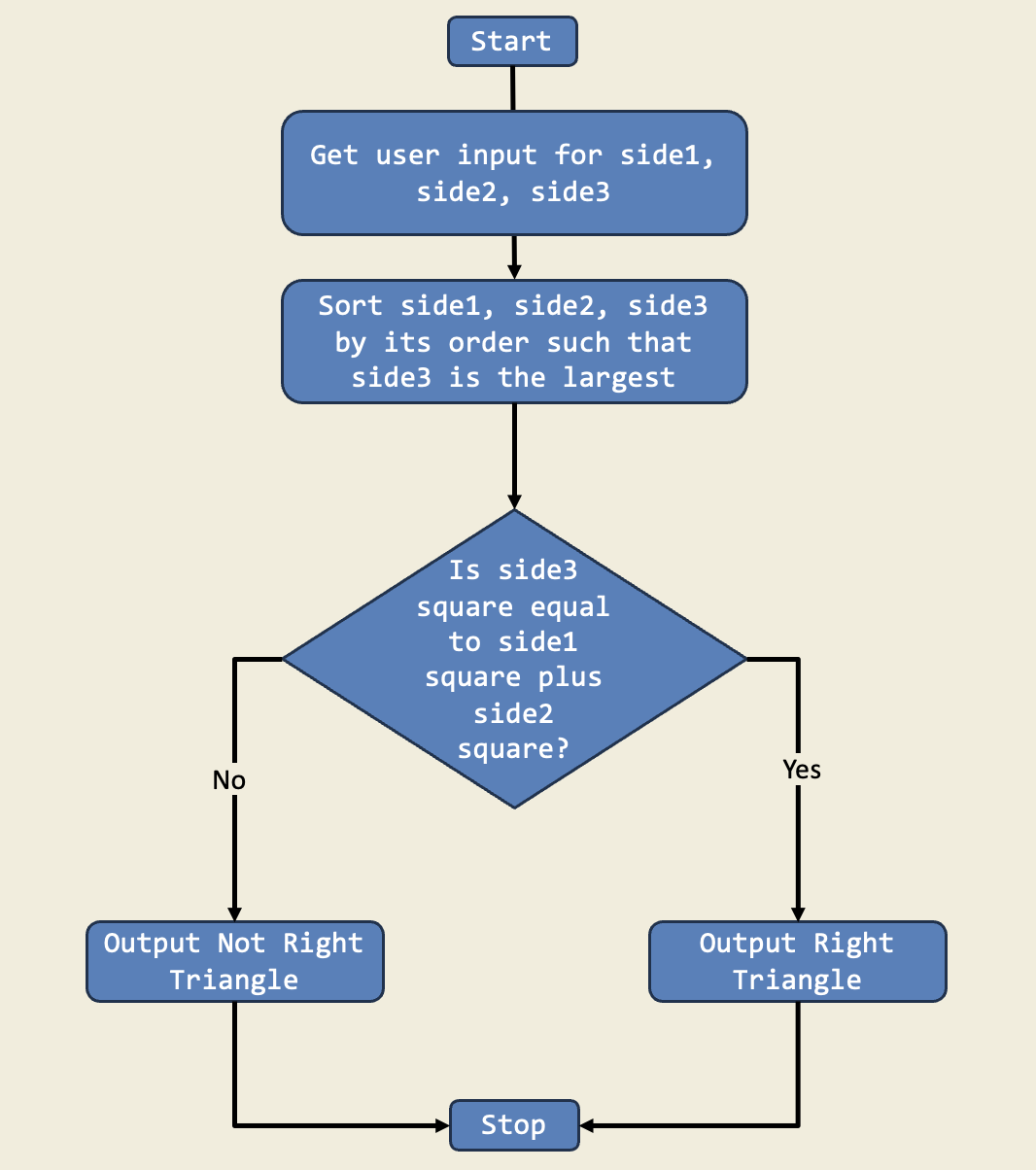
In this project, I used if-else statements to check if a triangle is right-angled. I asked for three sides, sorted them, and used the Pythagorean theorem to decide if the triangle was right. This is important because if-else lets the program choose different actions based on the input.
Diagram:
Trinket:
Description:
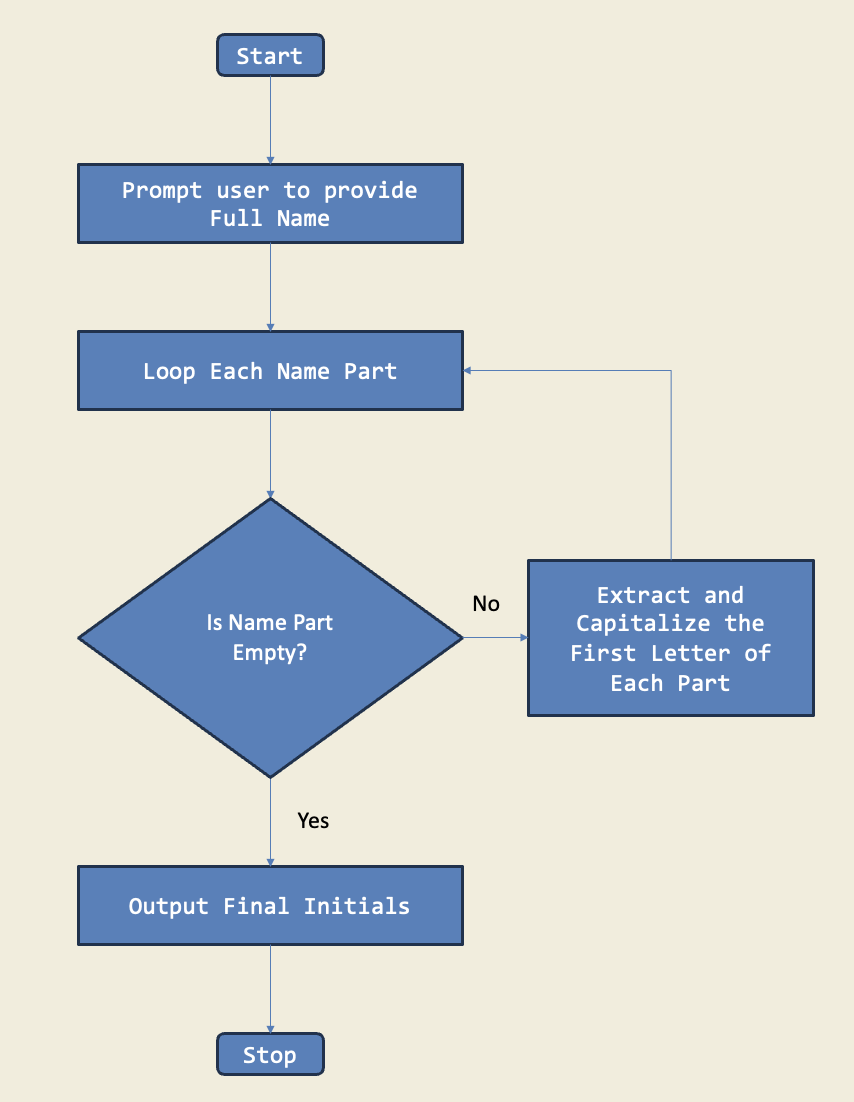
This project extracts the initials from a given full name, showcasing string splitting, iteration, and character manipulation. It's a practical example of processing user input to extract specific information.
Diagram:
Trinket:
Description:
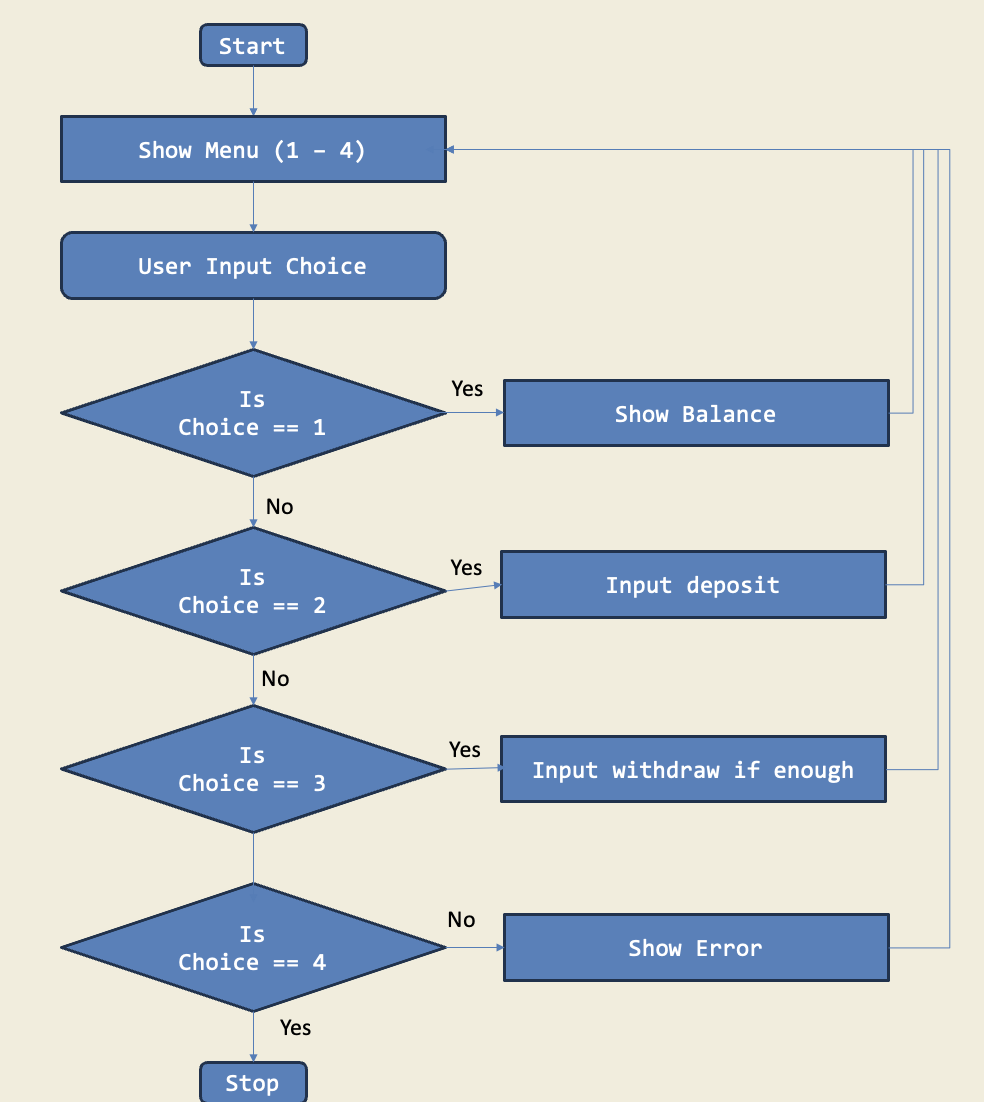
This project simulates a simplified Automated Teller Machine (ATM) with functionalities like checking balance, depositing, and withdrawing money. It highlights conditional logic, user input handling, and managing a virtual account balance.
Diagram:
Trinket:
Description:
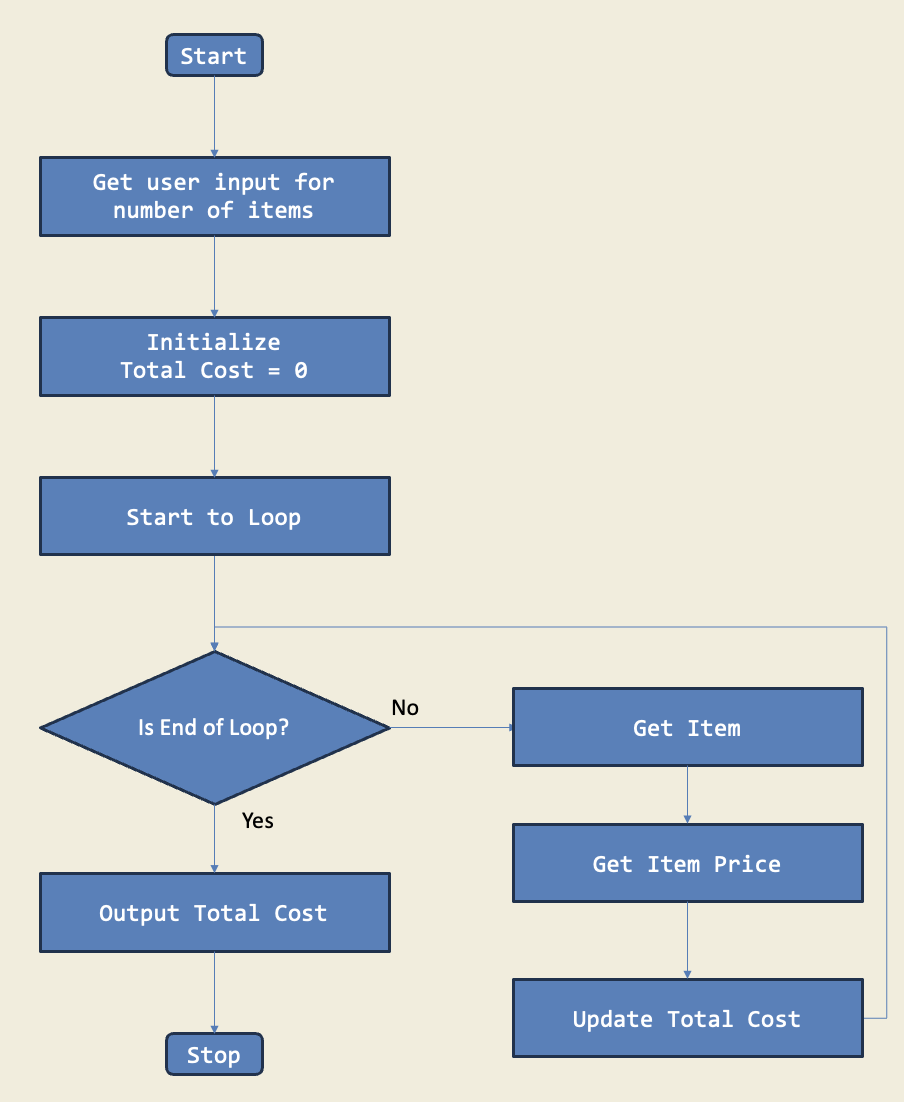
This project simulates a basic shopping cart experience, allowing users to add items, view their cart, and calculate the total. It demonstrates the use of data structures (like dictionaries or lists) to manage inventory and user selections, along with fundamental arithmetic operations.
Diagram:
Trinket:
Description:
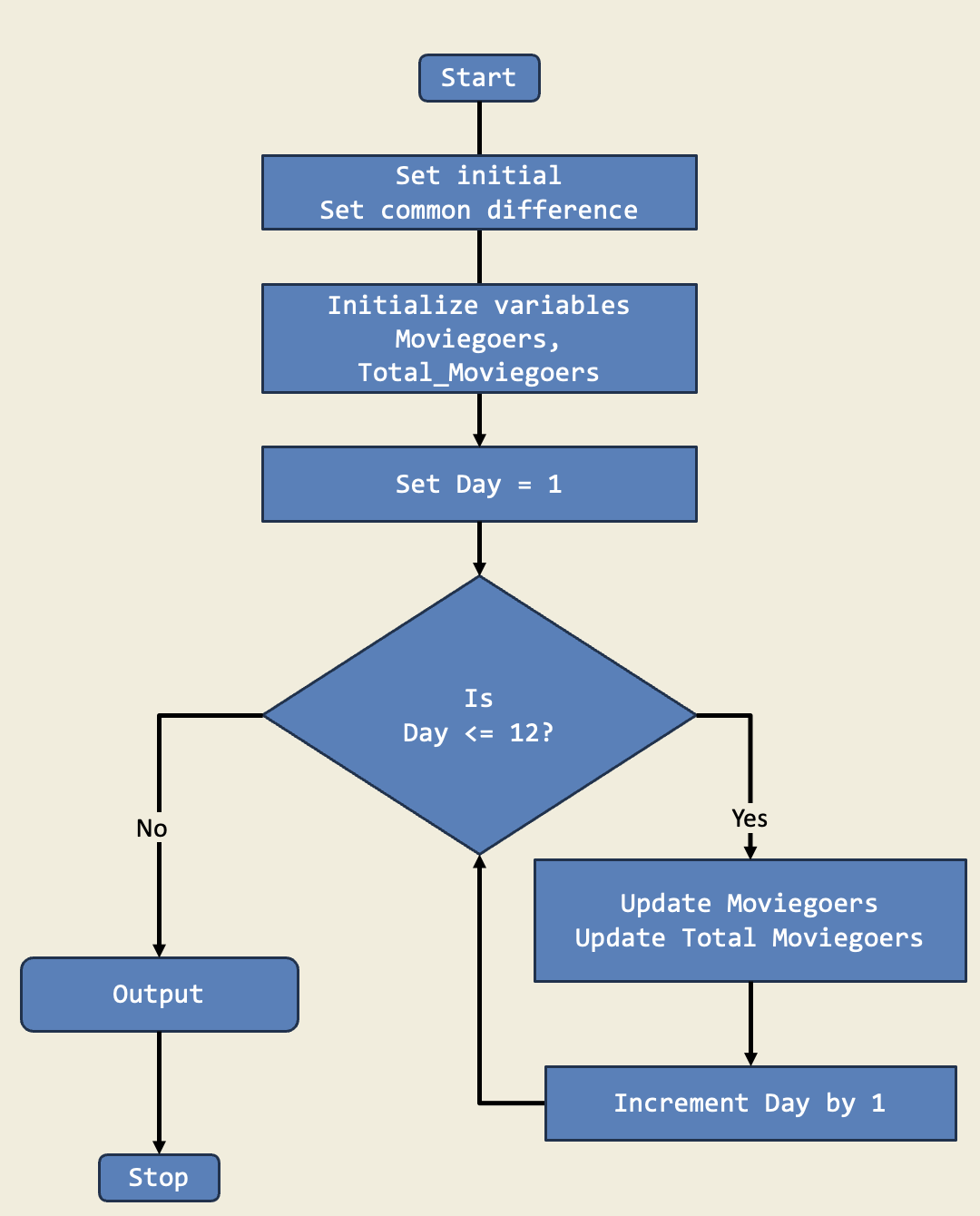
In this project, I used a for loop to count how many people went to the movies each day for 12 days. I started with a base number and added more every day. This is important because for loops let us do the same calculation over and over quickly.
Diagram:
Trinket:
Description:
In this project, I created a program that keeps asking for a password until the correct one is entered using a while loop. This project shows how while loops can ensure that an action is repeated until the right condition is reached.
Trinket:
Description:
This project simulates a simplified Automated Teller Machine (ATM) with functionalities like checking balance, depositing, and withdrawing money. It highlights conditional logic, user input handling, and managing a virtual account balance.
Diagram: